
Blood donation is one of the most direct and powerful ways to save lives. Every day, patients in hospitals depend on donated blood for survival during accidents, surgeries, childbirth complications and serious illnesses. Unlike many medicines, blood cannot be manufactured in a factory. It can only come from willing, healthy people who choose to donate.
Despite this, hospitals still struggle to maintain stable stocks of blood. Many donations happen only when a relative or friend is in need. While emergency donations are helpful, they are not enough to keep supplies steady throughout the year. A culture of regular, voluntary donation is what truly supports a safe and reliable blood system.
Patients who need blood come from many different age groups and backgrounds. Some of the most common situations include:
Road accidents, falls, industrial injuries and other emergencies often cause heavy blood loss. Doctors may need to transfuse multiple units of blood quickly to stabilise the patient, maintain blood pressure and protect vital organs from damage.
Major surgeries such as heart bypass, organ transplants, joint replacements and complex fracture operations frequently require blood and blood products. Without ready availability in the blood bank, planned surgeries may be postponed, and emergency procedures become more risky.
In some deliveries, severe bleeding can occur during or after birth. This condition, known as postpartum haemorrhage, is a major cause of maternal deaths. Timely transfusion of blood is often the deciding factor between recovery and life-threatening complications.
Patients with cancers like leukaemia or those with inherited blood disorders such as thalassemia may need frequent transfusions. Their treatment plans stretch over months or years, and a dependable blood supply is essential for their ongoing care.

Many people donate blood only when they hear of an urgent case on social media or when someone close to them is admitted to a hospital. While this generosity helps, it does not create predictable and stable stocks.
Red blood cells, platelets and plasma cannot be stored indefinitely. Each component has a defined storage period, after which it can no longer be used. This means that blood banks constantly need fresh donations to replace units that are expiring.
Hospitals cannot predict exactly how many accidents, surgeries or complications will occur in a week. When a sudden spike in demand happens, only a strong base of regular donors ensures that the shelves do not go empty at the worst possible time.
Some blood groups are less common in the population. Patients with these groups may struggle more to find matches. Regular donors with rare groups become a lifeline when they commit to donating periodically.
Blood donation is not only an act of service; it can also bring benefits to donors themselves.
Before donation, simple checks such as haemoglobin level, blood pressure, pulse and temperature are carried out. These can sometimes alert donors to issues that may need further medical consultation, helping them stay aware of their own health.
Knowing that one unit of blood can support more than one patient gives many donors a deep sense of satisfaction. It creates a feeling of connection with the community and a belief that one’s actions truly matter.
When people donate regularly, they often encourage friends, family and colleagues to join. Over time, this builds a wider network of donors and shifts attitudes from “someone else will help” to “we will help together”.
Before each donation, eat a light, healthy meal and drink enough water in the hours before you visit the centre. Avoid alcohol and very heavy, oily food on the same day. Get adequate rest the night before so you feel fresh.
After each donation, rest for a short period as advised by the staff. Have the snack or drink offered to you and continue hydrating. Avoid intense workouts or lifting heavy weights on the same day. Note down the date of donation so you know when you will next be eligible.
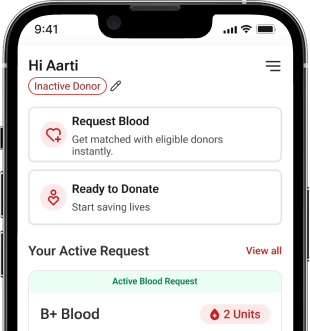
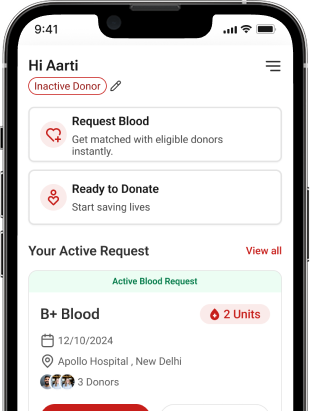
Blood App is designed to support regular donors and make their impact more effective. Donors can register their blood group, location and availability in a simple profile. When a genuine request is raised nearby, the app alerts suitable donors so that help reaches patients faster.
The platform also encourages donors to track donation dates, understand safe intervals and receive reminders when they are eligible again. Over time, this transforms individuals into a dependable donor community that hospitals can rely on, not only in emergencies but throughout the year.
Stay active with regular physical exercise. Follow a balanced diet with iron-rich foods. Sleep well and manage stress to maintain overall health. Avoid smoking and limit alcohol intake. Visit a doctor if you experience persistent fatigue or health changes.
Regular blood donation is more than a one-time good deed. It is a continuing commitment that supports accident victims, mothers, children and long-term patients every single day. By becoming a regular donor and staying connected through tools like Blood App, you help build a healthcare system where “no blood available” is no longer a sentence families fear in critical moments.
Stay informed, stay inspired — your go-to source for everything about blood donation and impact.

Had a drink last night? Planning to donate tomorrow? Here's how long to wait after drinking alcohol before donating blood in India — and why the rule exists.

रक्तदान करने से मरीजों की जान बचती है — लेकिन दाता को भी कई स्वास्थ्य लाभ होते हैं। हृदय स्वास्थ्य, कैंसर का कम खतरा, मुफ्त स्वास्थ्य जांच और भी बहुत कुछ।

Worried about blood group compatibility before marriage? ABO type has no bearing on it, but the Rh factor does matter in pregnancy. Here's the full picture.


Be a part of the change — donate safely, stay connected, and help someone in need. Download the app today.
Available on