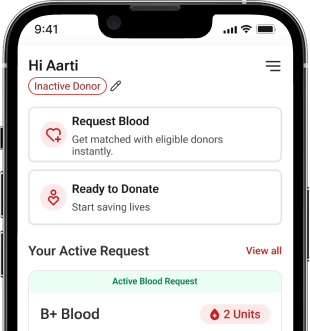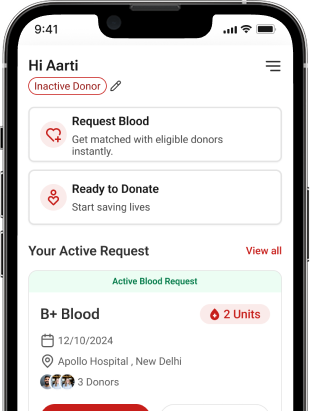

Blood donation is a lifesaving procedure wherein patients undergoing surgery, cancer treatment, trauma care, and complications due to childbirth are helped. Every year, several people need blood transfusions; unfortunately, there is not always a supply of safe blood.
Before donating blood, it is important to know who can donate and what criteria must be met. Blood banks have strict rules to ensure safety for the donor and the recipient.
The following is a full, easy-to-understand guide in relation to blood donation eligibility criteria.
While it may seem simple, blood donation involves two lives, the donor and the patient. Proper screening helps in:
That's why blood banks follow standardized medical guidelines before accepting a donor.
Most blood banks accept blood donors if you are:
The age limit also ensures that blood donors are physically mature and healthy.
To donate blood safely, a person must weigh at least:
This is important because the volume of blood in the human body depends on the weight. Donating blood while underweight may lead to dizziness, or other complications.
Your level of hemoglobin must also be sufficient to donate blood.
Low hemoglobin (Anemia) ranks among the leading causes of temporary rejection at blood donation sites.
You need to be in good health on the day of your donation. You should:
If you are currently taking antibiotics or a recent illness, you may need to wait before you donate blood.
There may be certain medical conditions/situations that may bar blood donation permanently or temporarily.
You should wait if you have:
Women should not donate blood if they are:
You may not be eligible if you have:
However, controlled conditions like mild hypertension might still facilitate donation after medical review.
If done at an unregulated facility, you may need to wait 6-12 months before donating. This reduces the risk of blood-borne infections.
Blood banks also try to prevent infections, such as HIV, Hepatitis B, and Hepatitis C. Patients who have certain high-risk behavior characteristics may be deferred, depending upon specific medical guidelines.
For whole blood donation:
This waiting time enables your body to restore its red cells as well as iron.
Before donating, you will:
The process is entirely confidential and aims at providing safe blood donations.
Myth 1: Diabetic patients can never donate blood.
Fact: If diabetes is well-controlled and you are not using insulin (in some cases), you may be eligible.
Myth 2: Blood donation causes weakness for months.
Fact: The body replaces lost blood within a few weeks. Most donors resume normal activities the same day.
Myth 3: Vegetarians cannot donate blood.
Fact: As long as hemoglobin levels are adequate, vegetarians can donate safely.

Besides saving lives, blood donation offers benefits such as:
Seek medical advice if you:
You could be helped by a healthcare professional based on your history.

Knowing the individuals eligible to donate blood is helpful for safe and responsible donation practices. Generally, individuals who are healthy, 18 to 65 years of age, weigh at least 50 kg, and meet the hemoglobin requirements are eligible to donate blood.
If you qualify, you may want to contemplate becoming a regular blood donor. Every donated unit of blood can potentially save three lives.
Before visiting a blood bank, you should first make sure you are well-rested, hydrated, and have eaten a light meal. Your small step can make a life-changing difference for someone in need.
Are you ready to save a life? Check your eligibility, and donate blood now. Make a small difference that can make a big impact. Your small step can make a life-changing difference for someone in need.
Stay informed, stay inspired — your go-to source for everything about blood donation and impact.

Had a drink last night? Planning to donate tomorrow? Here's how long to wait after drinking alcohol before donating blood in India — and why the rule exists.

रक्तदान करने से मरीजों की जान बचती है — लेकिन दाता को भी कई स्वास्थ्य लाभ होते हैं। हृदय स्वास्थ्य, कैंसर का कम खतरा, मुफ्त स्वास्थ्य जांच और भी बहुत कुछ।

Worried about blood group compatibility before marriage? ABO type has no bearing on it, but the Rh factor does matter in pregnancy. Here's the full picture.


Be a part of the change — donate safely, stay connected, and help someone in need. Download the app today.
Available on